
The Problem With Electric Vehicles
Why Public Transportations Reigns Supreme

Electric vehicles (EVs) are becoming increasingly popular worldwide due to their potential to reduce greenhouse gas emissions and dependence on fossil fuels.
The electric vehicle market has grown significantly in recent years, with sales increasing by more than 40% annually.

While this growth is promising, there are concerns about the sustainability of EVs, particularly with regard to the production and disposal of batteries.
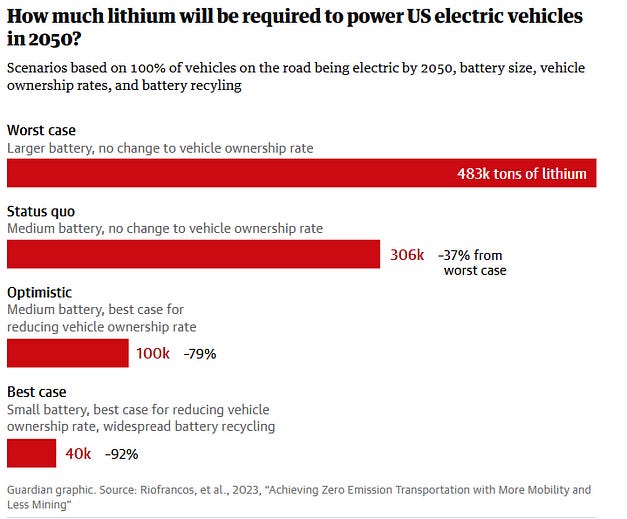
https://www.theguardian.com/us-news/2023/jan/24/us-electric-vehicles-lithium-consequences-research
One of the biggest concerns surrounding EVs is the sustainability of the materials used to produce them. Lithium-ion batteries, which are the most commonly used in EVs, require significant amounts of lithium, cobalt, and nickel. These materials are not only expensive but also environmentally damaging to extract. Furthermore, the manufacturing process for EV batteries requires significant amounts of energy and produces greenhouse gas emissions.
Another issue with EVs is the disposal of batteries. As EVs become more popular, the number of batteries that need to be disposed of will increase dramatically.
If these batteries are not properly recycled, they can pose a significant environmental threat. Lithium-ion batteries contain toxic materials such as lead, cadmium, and mercury, which can leach into soil and water supplies if not disposed of properly.
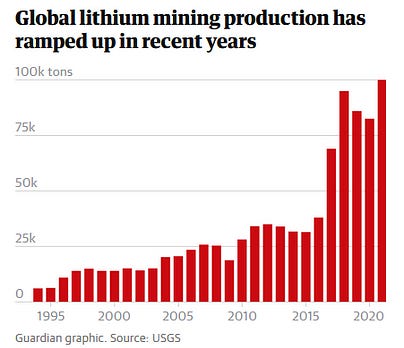
Despite these concerns, there are efforts to make EVs more sustainable. Some manufacturers are experimenting with alternative materials for batteries, such as sodium-ion and solid-state batteries. These materials are less harmful to the environment and can be more easily recycled. Additionally, some companies are exploring the use of renewable energy sources in the production of EVs to reduce emissions.
Another potential solution to the sustainability concerns surrounding EVs is the development of a circular economy for batteries. Rather than disposing of batteries after their initial use, they could be repurposed for other applications, such as stationary energy storage. This would reduce the need for new batteries and limit the environmental impact of battery production.
Governments around the world are also taking steps to promote the sustainability of EVs. Many countries have set targets for the adoption of electric vehicles and are investing in infrastructure to support them. Additionally, some governments are providing incentives for the purchase of EVs, such as tax credits and rebates.
More on the recent report:
Executive summary - The Role of Critical Minerals in Clean Energy Transitions - Analysis - IEA
An energy system powered by clean energy technologies differs profoundly from one fuelled by traditional hydrocarbon…
Clean energy technologies such as solar photovoltaic (PV) plants, wind farms, and electric vehicles (EVs) require more mineral resources than traditional hydrocarbon-based energy systems.
For instance, an EV requires six times the mineral inputs of a conventional car, and an onshore wind plant requires nine times more mineral resources than a gas-fired plant.
As the share of renewables in new investment has risen, the average amount of minerals needed for a new unit of power generation capacity has increased by 50% since 2010. The transition to clean energy is expected to drive a significant increase in the requirements for minerals, making the energy sector a major force in mineral markets.
Critical minerals such as lithium, nickel, cobalt, manganese, graphite, and rare earth elements are essential for battery performance, longevity, and energy density.
Electricity networks require a significant amount of copper and aluminum, with copper being a cornerstone for all electricity-related technologies.
The shift to a clean energy system is expected to drive a huge increase in the requirements for these minerals, and clean energy technologies are becoming the fastest-growing segment of demand. In a scenario that meets the Paris Agreement goals, their share of total demand rises significantly over the next two decades, with EVs and battery storage already becoming the largest consumer of lithium.
However, as countries accelerate their efforts to reduce emissions, they need to ensure that energy systems remain resilient and secure.
Today’s international energy security mechanisms provide insurance against the risks of disruptions or price spikes in hydrocarbons supply.
However, minerals offer a different set of challenges, but their rising importance in a decarbonizing energy system requires energy policymakers to expand their horizons and consider potential new vulnerabilities.
Concerns about price volatility and security of supply do not disappear in an electrified, renewables-rich energy system.
The IEA is paying close attention to the issue of critical minerals and their role in energy transitions. A doubling of overall mineral requirements for clean energy technologies by 2040 is expected, and a concerted effort to reach the goals of the Paris Agreement would mean a quadrupling of mineral requirements for clean energy technologies by 2040.
The rapid deployment of clean energy technologies as part of energy transitions implies a significant increase in demand for minerals, particularly in sectors such as EVs and battery storage, wind and solar power, and hydrogen as an energy carrier.
However, demand trajectories are subject to large technology and policy uncertainties.

As the largest source of revenue for mining companies is coal production, clean energy transitions offer opportunities and challenges for companies that produce minerals. Some of the challenges include the uncertainty around demand trajectories and policy frameworks, which create investment risks and could hinder the flow of capital to new projects.
However, the opportunities are significant as the transition to clean energy is expected to drive a significant increase in the demand for minerals, creating opportunities for companies that produce these minerals to scale up their production and expand their markets.
The IEA’s report on critical minerals and energy transitions reflects its determination to stay ahead of the curve on all aspects of energy security in a fast-evolving energy world.
Why Public Transportation Beats EVs Every time
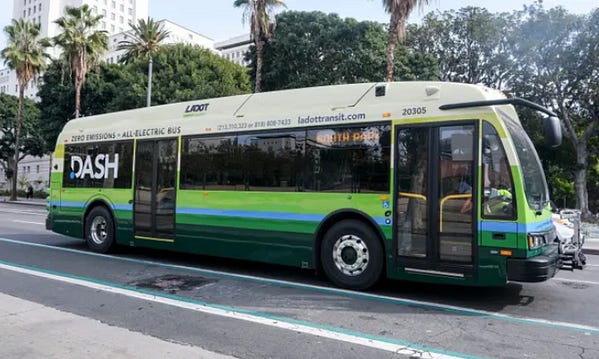
Public transportation is a better idea than electric cars for climate change for several reasons.
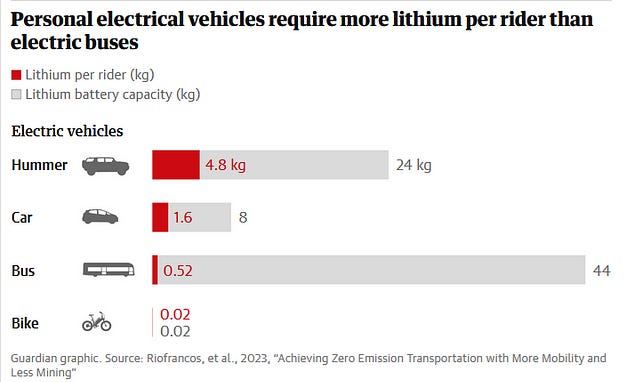
Firstly, public transportation is more efficient than electric cars because it can transport a large number of people at the same time, reducing the number of individual cars on the road. In contrast, electric cars only transport a few people at a time, which means that more cars are needed to transport the same number of people.

Secondly, public transportation emits fewer greenhouse gases than electric cars because it uses a centralized power source, such as a power plant, to generate the energy needed to transport people. This means that emissions are reduced per person compared to individual electric cars, which require energy from multiple sources, including the production and transportation of electricity to charging stations and the energy used during the production of the car.
Thirdly, public transportation is more affordable than electric cars, which can be expensive to purchase and maintain. This affordability makes public transportation accessible to a wider range of people, particularly those with lower incomes who may not be able to afford an electric car.
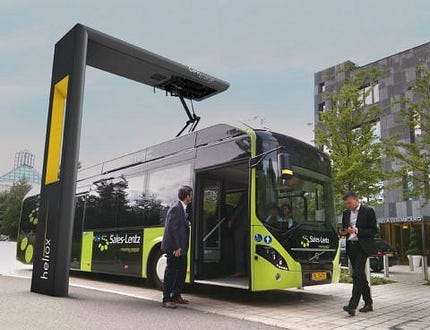
Fourthly, public transportation reduces traffic congestion, which leads to lower greenhouse gas emissions and improved air quality. This is because fewer cars on the road means less time spent idling in traffic and fewer emissions from cars stuck in congestion.
Fifthly, public transportation has a lower environmental impact than electric cars because it requires less raw materials and energy to manufacture and maintain. Electric cars require large batteries, which require rare earth metals and other resources to produce. In contrast, public transportation uses larger vehicles, which have a longer lifespan and require fewer replacements over time.
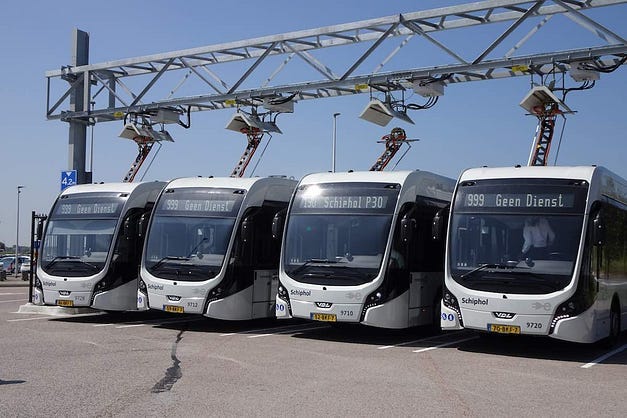
Lastly, public transportation encourages people to live in urban areas, which can be more sustainable than suburban or rural living. Urban areas have more compact development, which reduces the need for transportation and can encourage walking and biking as alternatives to cars. This density also allows for the efficient use of resources, such as water and energy, and can reduce greenhouse gas emissions associated with sprawl.
John Waters | Legendary Filmmaker
Eric Draitser | The Truth About the Ukraine War | #132 HR Podcast
Prof. Raymond Craib | The Truth About Anarcho-Capitalism | #130 HR Podcast
Vijay Prashad | Author & Historian | US Imperialism | #66 Homeless Romantic Podcast
Mick Wallace | The Future Of Europe | Member of the European Parliament #138 HR
The Homeless Romantic Podcast
https://chris-jeffries.com/